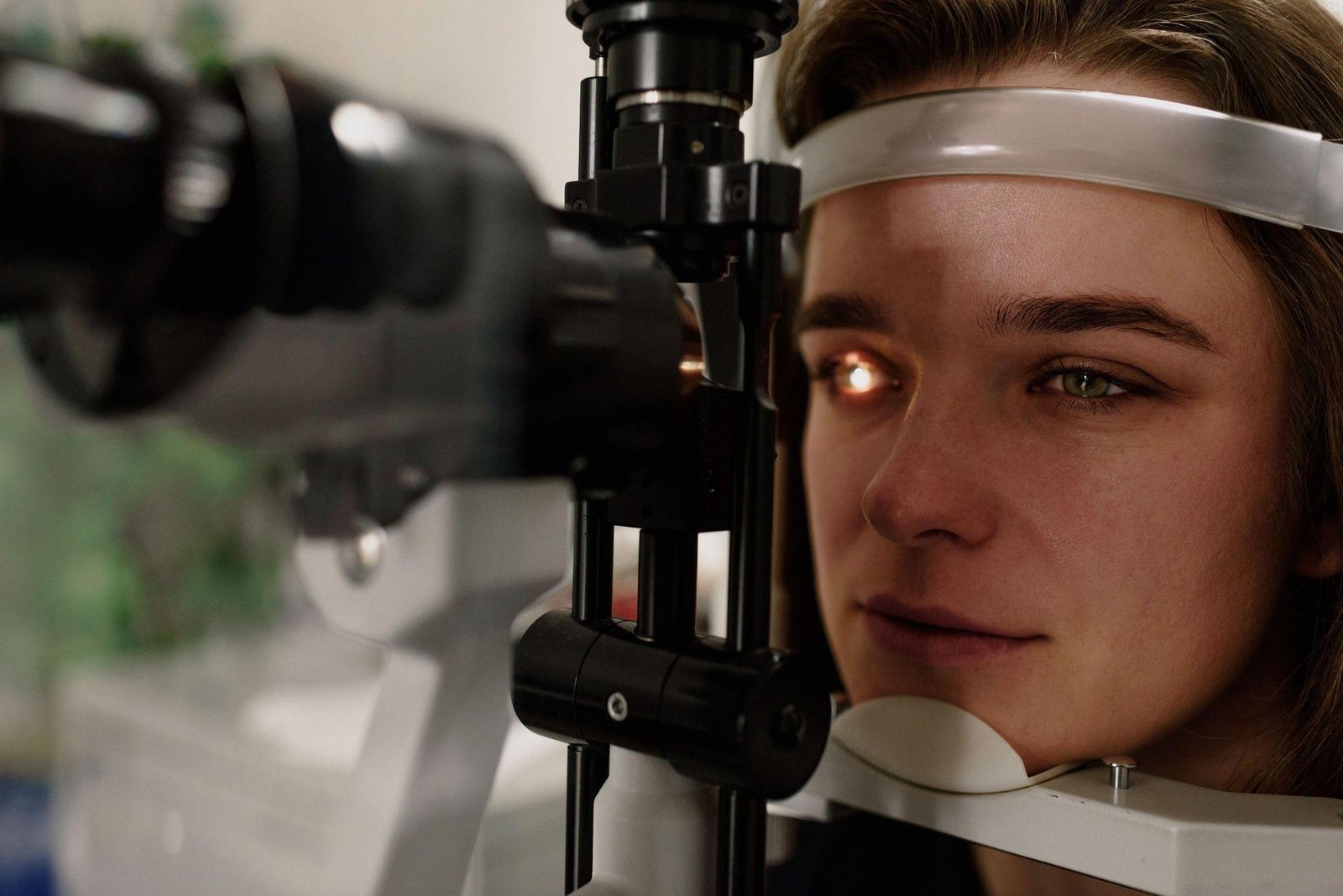
Most people don’t think about their eyes until something feels off. That’s pretty human, but it’s also how small problems quietly become bigger ones. Vision touches almost everything – how kids take in a classroom, how adults manage a workday, how older adults stay independent. The reasons to get an eye exam shift as life does, and what gets checked at 8 looks pretty different from what matters at 68. Having somewhere consistent to go, like Scott Hyver Vision Care, means those shifts don’t get missed.
Childhood and Adolescence
Kids don’t usually complain about blurry vision. They think everyone sees the same way they do. So problems like myopia or hyperopia can quietly drag on – affecting how they read, how they focus, sometimes getting flagged as a behavioral issue before anyone thinks to check their eyes.
School screenings catch some things, but they’re basic. A quick acuity test won’t pick up on how well a child’s eyes work together, or whether focusing for long stretches is a struggle. A full exam does. It also gives you a baseline, so changes over time are easier to track.
There’s a longer-term upside too. Kids who see an eye doctor regularly tend to keep doing it as adults. The habit sticks.
Young Adulthood
Screens are just part of life now – work, school, everything else. Young adults are probably logging more hours staring at close-up light sources than any generation before them, and their eyes are feeling it. Dryness, headaches, end-of-day blur – these aren’t dramatic symptoms, but they’re worth paying attention to.
It’s also when things like glaucoma can start to develop, with no obvious signs at all. That’s the tricky part. Elevated eye pressure doesn’t hurt. You won’t notice it. But an exam will catch it, long before any vision loss kicks in.
Contact lens wearers especially shouldn’t skip regular check-ins. A lens that fit perfectly two years ago might not fit the same way now, and reduced oxygen flow to the cornea tends to go unnoticed until it doesn’t.
Middle Age
Sometime around 40, the menu ends up at arm’s length. That’s presbyopia – the eye’s lens stiffens with age, and close focus gets harder. It’s completely normal. Still annoying. An exam helps figure out the right fix, whether that’s reading glasses, bifocals, or multifocal contacts.
The bigger picture matters too. This is when macular degeneration and cataracts start showing up more often, usually well before they cause obvious trouble. Catching them early tends to mean more options and less urgency later.
For anyone managing diabetes, eye exams aren’t optional. Diabetic retinopathy can quietly damage the retina over time, and regular monitoring is part of taking the condition seriously.
Senior Years
Things get more active in the senior years, not less. Glaucoma, cataracts, macular degeneration – these may need ongoing adjustments, not just a one-time fix. The goal shifts from catching problems early to managing what’s already there while keeping function as high as possible.
Vision changes affect more than sight. Falls become more likely. Driving gets harder. The small losses can stack up into something that chips away at independence. Keeping up with exams is one of the more practical things someone can do to stay ahead of that.
And it’s not just about updating a glasses prescription. A good exam at this stage looks at the full picture – what’s treatable, what needs monitoring, and what adjustments might help someone stay sharp longer.
Protecting Your Vision for Life
Eye health doesn’t have a finish line. It moves with you – first screenings, teenage checkups, the first pair of reading glasses, annual visits in retirement. The common thread is that regular exams catch changes before they become problems, whatever stage you’re in. If it’s been a while, it’s probably worth booking one.