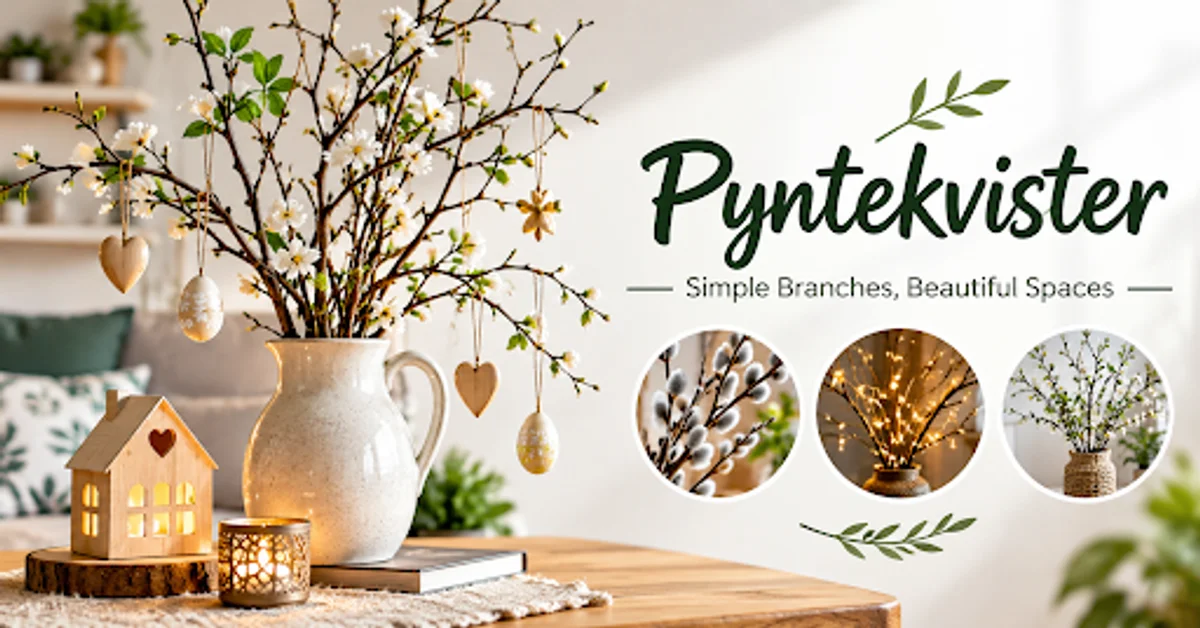
Pyntekvister meaning is closely connected to decorating with twigs and branches. The word comes from Norwegian language roots: pynte means to decorate, while kvist refers to a twig or small branch. Together, the term describes decorative branches used to make indoor spaces more attractive.
Pyntekvister is best understood as a descriptive decorating expression rather than the name of a specific product or formally established design movement. It reflects a simple approach to styling natural materials, using their shapes, textures, and colors to create a pleasing display.
Related: Aelftech.com: A Complete Guide to Digital Marketing
The Role of Decorative Branches in Scandinavian Homes
Scandinavian design, associated with countries such as Norway, Denmark, and Sweden, often emphasizes simplicity, practical living, natural materials, and comfortable spaces. Decorative branches fit these principles because they introduce organic shapes without requiring complicated arrangements or expensive accessories.
Scandinavian decorative branches can complement wooden furniture, neutral walls, linen fabrics, and soft lighting. Their natural appearance creates visual interest while preserving the open, uncluttered feeling associated with Nordic home styling.
Why Is Pyntekvister Popular in Home Decor?
Natural Beauty and Minimalist Style
Pyntekvister decor celebrates the natural beauty of branches. Their irregular shapes, delicate twigs, and changing textures make every arrangement slightly different. Even a single branch can become an attractive decorative feature when placed in a suitable vase.
This style works particularly well with minimalism, where a few carefully selected objects create more impact than crowded displays. It also suits Japandi interior style, which combines Japanese simplicity with Scandinavian warmth, and organic modern decor, which highlights natural forms and materials.
Benefits of Decorating with Branches
One of the biggest advantages of Pyntekvister is its simplicity. You may only need a few suitable branches and a vase to create a display. Depending on the materials you choose, it can also be an inexpensive alternative to regularly purchasing fresh flowers or decorative accessories.
Dried branches can remain attractive for months when handled properly, making them useful for low-maintenance home decor. Fresh branches offer a different experience because some varieties develop buds, leaves, or blossoms indoors. The best option depends on your preferred appearance, available space, and willingness to provide care.
Popular Types of Pyntekvister Branches
Curly Willow, Pussy Willow, and Birch Branches
Curly willow is popular for its twisting stems and distinctive silhouette. Its unusual curves create movement and make it an excellent choice for minimalist branch arrangements. A few stems in a tall vase can provide an artistic accent in a living room or entryway.
Pussy willow is recognized by its soft, fuzzy catkins, which often appear in early spring. Birch branches offer another attractive option, with pale bark and slender shapes that complement light-colored interiors. Each variety brings a different texture, allowing you to choose branches that match your preferred decorating style.
Blossom Branches and Dried Twigs
Cherry blossom and apple blossom branches can create delicate spring arrangements. When suitable branches are cut at the right stage and placed in appropriate conditions, some may open their buds indoors. Results depend on the species, season, branch maturity, and care provided.
Dried twigs are ideal for people who prefer a lasting display without regular watering. Their muted colors and sculptural shapes complement natural wood, ceramic accessories, and dried flowers. They can also be reused in different arrangements throughout the year.
How to Choose Pyntekvister for Your Home
Selecting Branches by Size, Shape, and Color
Begin by considering where you intend to display your branches. Long stems can add height to an empty corner, while short twigs suit bedside tables, shelves, and small consoles. The arrangement should complement the furniture rather than overwhelm it.
Shape and color also influence the final appearance. Straight birch branches offer a clean, understated look, while curly willow creates a more expressive design. Pale branches work well against darker walls, whereas dark stems can stand out beautifully against cream, white, or light-gray backgrounds.
Matching Branches with Your Interior Style
For Scandinavian interiors, choose natural branches with simple shapes and pair them with neutral-colored vases. Light wood, soft fabrics, and understated accessories can help maintain a balanced appearance without making the room feel overly decorated.
For Japandi interiors, try sculptural branches in a handmade ceramic vase. Organic modern spaces can accommodate larger arrangements with irregular silhouettes and earthy colors. The goal is to select natural home accessories that complement the existing room rather than compete with it.
Best Vases for Pyntekvister Arrangements
Choosing Ceramic, Glass, and Earthenware Vases
A suitable vase can make a simple arrangement look carefully designed. Ceramic vases provide texture and come in many shapes, from smooth modern cylinders to handmade pieces with uneven surfaces. Neutral shades such as white, beige, gray, and brown work especially well with Scandinavian-inspired decor.
Glass cylinder vases create a lighter, more transparent appearance, allowing the stems to remain visible. Earthenware vases offer a rustic, earthy character that pairs naturally with dried branches and warm interiors. Choose a finish that complements your furniture and the overall mood of your space.
Vase Size, Stability, and Branch Placement
The vase should be proportionate to the length and spread of the branches. Tall stems generally need a heavy, stable container with a sufficiently wide base. A narrow opening can keep stems together, while a wider opening allows them to spread naturally.
Before arranging the branches, place the vase on a stable surface and check that the display does not lean too far to one side. If necessary, shorten the stems or use a heavier container. Good balance improves the appearance and reduces the risk of the arrangement falling over.
Creative Ways to Style Pyntekvister
Creating Simple and Balanced Branch Arrangements
Start with three to five branches, depending on their size and the shape of the vase. Position the stems at different heights and rotate them until their most attractive curves face the room. Leaving small gaps between branches helps preserve their individual shapes.
You do not need to make the arrangement perfectly symmetrical. Natural twig arrangements often look more appealing when they have gentle variations in height and direction. Step back and view the display from different angles to check whether it feels balanced.
Combining Natural Branches with Other Decor
Pyntekvister can look beautiful alongside natural wood, stone accessories, linen textiles, and handmade pottery. For example, a branch-filled vase on a wooden console can create a warm focal point without requiring additional decorations.
Keep the surrounding objects simple so the branches remain the main feature. A small bowl, a book, or a subtle lamp may be enough to complete the display. This approach creates harmony between natural textures and materials while maintaining a clean appearance.
Decorating Different Rooms with Pyntekvister
Pyntekvister Ideas for Living Rooms and Bedrooms
The living room is an excellent place for larger arrangements. A tall vase beside a sofa, near an empty wall, or in an unused corner can add height without taking up much visual space. Smaller arrangements work well on coffee tables, side tables, and consoles.
In bedrooms, choose softer shapes and modest arrangements for a peaceful atmosphere. A few branches on a dresser or bedside table can introduce natural texture without making the room feel crowded. Avoid placing large or unstable arrangements where they could interfere with movement.
Styling Entryways, Shelves, and Dining Areas
An entryway can benefit from a welcoming arrangement placed on a console or in a floor vase. Choose branches that fit the available space and keep them away from doors, coats, and walking paths. A simple arrangement creates an attractive first impression without demanding much maintenance.
On shelves and dining tables, shorter branches are often more practical. Ensure that dining arrangements do not block people’s views across the table. For shelves, select lightweight stems and secure containers so the display remains stable.
Seasonal and Holiday Pyntekvister Ideas
Spring Blossoms, Summer Greenery, and Autumn Twigs
Spring is an ideal time to experiment with pussy willow, budding stems, and flowering branches. Cherry blossom and apple blossom arrangements can bring delicate colors indoors when the branches are suitable for forcing and receive proper care. Their natural forms make a room feel fresh and seasonal.
During summer, leafy branches can create a lively display, provided they are suitable for indoor use and remain fresh. In autumn, dried twigs, warm wood tones, and earthy ceramic vases offer a more subdued look. Changing the branches throughout the year allows you to refresh your decor without replacing the entire arrangement.
Winter Displays and Easter Branch Decorations
Winter twig displays often feature bare branches in simple, sculptural shapes. Their silhouettes stand out against pale walls and complement cozy fabrics, wooden furniture, and warm lighting. You can keep the arrangement plain or add a few subtle ornaments for a festive touch.
For Easter, light decorative eggs, ribbons, or small hanging ornaments can transform branches into seasonal decorations. Attach ornaments carefully and avoid overloading delicate stems. A stable vase and a restrained color palette will help the display look attractive rather than cluttered.
Fresh vs. Dried Pyntekvister
Differences, Benefits, and Best Uses
Fresh branches are a good choice when you enjoy watching nature change. Depending on the species and condition, they may develop buds, leaves, or blossoms. They generally need more attention because their lifespan depends on water, temperature, and the health of the stems.
Dried branches provide a longer-lasting alternative. They do not need water and can retain their shape for months or longer under suitable conditions. They are particularly useful for people who prefer a consistent appearance and simple maintenance.
How to Care for Fresh and Dried Branches
For fresh branches, use a clean vase and fresh water when appropriate. Trim the bottom of each stem with clean tools before placing it in water, and remove leaves that would sit below the waterline. Change the water regularly and monitor the branches for signs of decay.
Dried branches should remain in a dry environment away from excessive moisture. Dust them gently with a soft brush or duster, and handle brittle stems carefully to prevent breakage. Keep both fresh and dried arrangements away from heat sources and positions where they may be knocked over.
Common Pyntekvister Styling Mistakes to Avoid
Choosing the Right Branches and Stable Vases
One common mistake is using branches that are too large for the vase or the room. Oversized stems can overwhelm a small table, while a lightweight vase may tip under their weight. Always consider the combined height, width, and weight of the arrangement before choosing its final position.
Another mistake is selecting branches without checking their condition. Avoid stems that are badly damaged, moldy, or infested with insects. When collecting branches outdoors, follow local rules, avoid damaging living trees, and make sure the material is suitable for indoor use.
Avoiding Clutter and Maintaining Visual Balance
Too many branches can hide the natural shapes that make Pyntekvister attractive. Begin with a small number of stems and add more only if the arrangement looks empty. Allowing space between the branches creates a lighter, more natural appearance.
It is also easy to add too many accessories around the vase. Bright ornaments, multiple decorative objects, and competing colors may distract from the arrangement. Choose one main focal point and let the natural branches provide most of the visual interest.
Related: Glorvix.com: Services, Safety, and Legitimacy
Frequently Asked Questions
What does Pyntekvister mean?
Pyntekvister is a Scandinavian-inspired decorating expression for decorative twigs and branches. The Norwegian roots relate to decorating and small branches, describing the use of natural stems as indoor ornaments.
Which branches are best for Pyntekvister?
Curly willow, pussy willow, birch, cherry blossom, apple blossom, and dried branches are popular choices. The best option depends on the desired shape, season, room size, and level of maintenance.
Can I use fresh branches for Pyntekvister?
Yes. Some fresh branches can be displayed in water and may develop buds, leaves, or flowers. Their success depends on the plant species, the time of year, and the condition of the stems.
Does Pyntekvister require regular maintenance?
Fresh branches may need clean water, trimmed stems, and occasional removal of damaged leaves. Dried branches generally require less care and only need gentle dusting and protection from excessive moisture.
Which vase is best for Pyntekvister?
Ceramic, glass, and earthenware vases can all work well. Choose a container with enough weight and stability to support the branches, especially when using tall or wide stems.
Summary
Pyntekvister offers an accessible way to introduce natural beauty into almost any interior. Choose branches that suit your room, select a stable vase, and arrange the stems at different heights. You can experiment with curly willow, birch, pussy willow, blossom branches, or dried twigs until you find a style that feels right for your home.
You do not need expensive materials or professional decorating skills. Start with what you have, keep the arrangement simple, and adjust it until the proportions look balanced. A thoughtful display can make even a small corner feel more inviting.
One of the best features of Pyntekvister is its flexibility. You can keep dried branches throughout the year, replace fresh stems as the seasons change, or add lightweight decorations for special occasions. This makes it easy to update your surroundings without purchasing new accessories every time.
Whether you prefer Scandinavian simplicity, Japandi calm, or organic modern design, decorative branches can help connect your interior with the natural world. With a suitable vase and a little creativity, Pyntekvister can become a timeless part of your home.