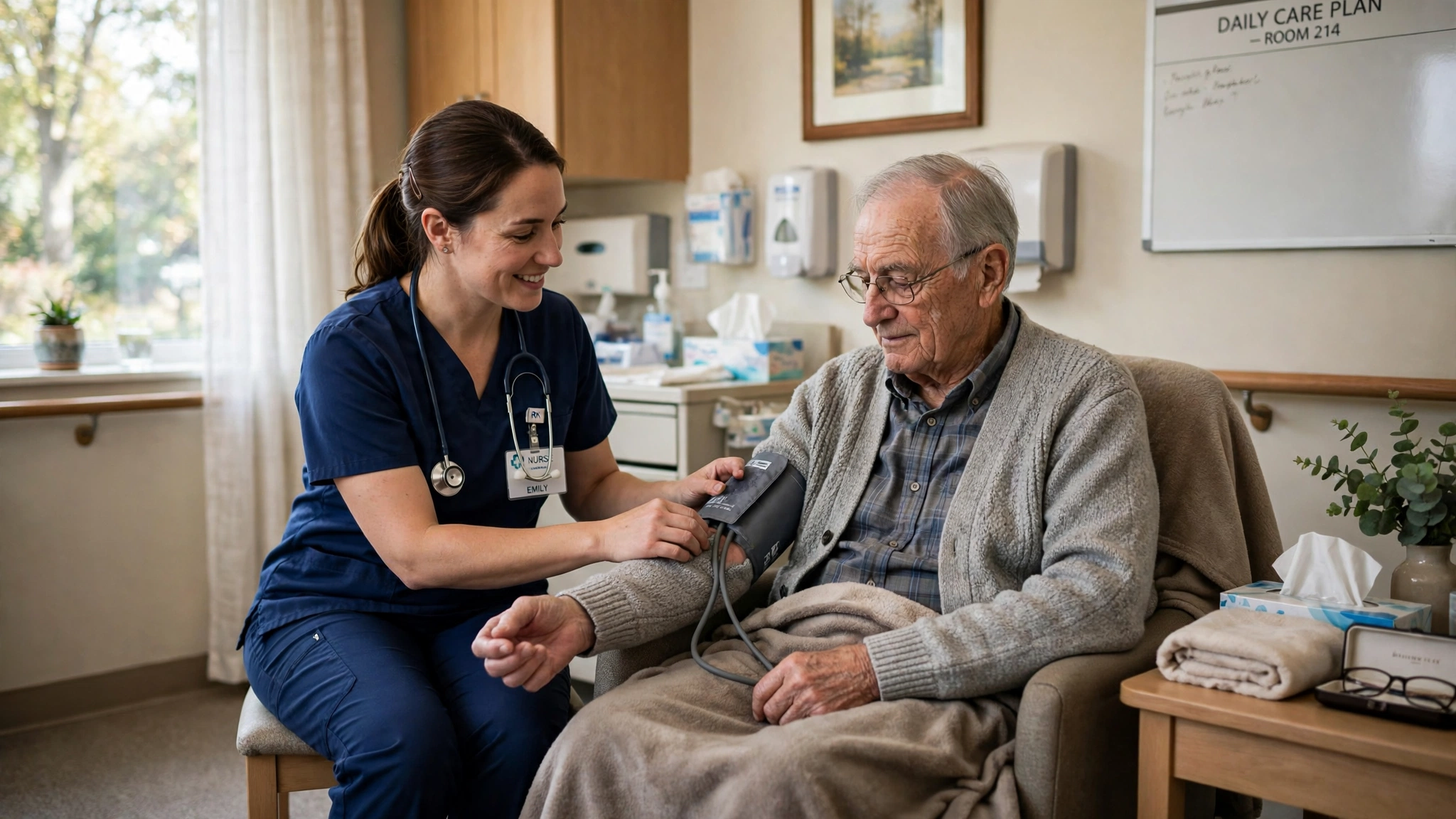
Pain management is a fundamental part of patient care in skilled nursing facilities (SNFs). Residents often face chronic pain, post-surgical discomfort, or pain related to long-term conditions. Without proper management, pain can affect mobility, sleep, mood, and overall well-being. Therefore, effective pain management in skilled nursing facilities requires a structured approach that combines assessment, individualized treatment, and coordinated care.
This article explores how SNFs assess pain, the treatment strategies used, and how Paragon Medical Group supports comprehensive pain management.
Understanding Pain Assessment in Skilled Nursing Facilities
Accurate assessment is the foundation of effective pain management in skilled nursing facilities. Many residents have difficulty communicating pain because of cognitive impairment, dementia, or speech limitations. As a result, clinicians rely on both verbal and observational tools.
Common assessment approaches include:
- Asking residents to rate pain using simple scales, such as 0 to 10 or face scales.
- Observing behavioral cues like restlessness, grimacing, guarding, or changes in appetite.
- Using validated tools for patients with dementia or severe communication difficulties.
- Reviewing medical history, medications, and previous pain patterns.
Regular reassessment ensures that treatment remains effective as the resident’s condition changes. Pain should be documented clearly and communicated across the care team.
Treatment Strategies for Pain Management in SNFs
Post-acute care services may include medication management, therapy, and supportive interventions designed to reduce pain and improve function. The goal is not only to relieve pain but also to restore independence and quality of life.
Individualized Pain Management Approaches
Every resident experiences pain differently, so treatment must be tailored to the individual. An individualized plan considers the type of pain, its severity, medical conditions, and personal preferences.
For example, a resident recovering from surgery may require short-term medication combined with physical therapy. In contrast, a resident with chronic arthritis may benefit from long-term non-drug strategies and scheduled low-dose medication.
Individualized care also involves setting realistic goals with residents and families, such as improving mobility, sleeping better, or participating in daily activities.
Physical Therapy and Rehabilitation
Physical therapy plays an important role in reducing pain and restoring function. There is a need to coordinate treatment within post-acute rehabilitation between the attending physicians, therapists, and nursing staff for a smooth transition to post-acute rehabilitation. The aim is to reduce pain, improve function, and prevent deterioration in daily activities.
Non-pharmacological Interventions
Along with medication and therapy, non-drug methods are important. They include:
- Heat and cold therapy
- Gentle exercise and movement programs
- Relaxation techniques and breathing exercises
- Massage and positioning for comfort
These approaches are especially useful for residents who cannot tolerate high doses of medication.
Coordinating Addiction Medicine and Pain Treatment
Some residents have a history of substance use or are at risk of developing dependence on pain medication. Coordinating addiction medicine with pain management helps balance effective relief with safety.
Addiction medicine in skilled nursing facilities supports patients by providing medical oversight, counseling, and safe prescribing practices. This coordination ensures that pain is treated without increasing the risk of misuse.
How Paragon Medical Group Supports Pain Management
Paragon Medical Group provides post-acute care services by offering comprehensive care in skilled nursing facilities. Its clinicians work closely with facility staff to assess pain, create individualized care plans, and monitor outcomes.
Paragon’s approach focuses on:
- Timely assessment and reassessment of pain
- Coordinated care between physicians, therapists, and nurses
- Safe medication management
- Support for residents with complex medical needs
This collaborative model helps residents recover more comfortably and regain independence.
FAQs
1. How is pain assessed in skilled nursing facilities?
Pain is assessed through verbal scales, observation of behavior, and validated tools for residents with communication difficulties. Regular reassessment ensures treatment remains effective.
2. What are the treatment options for pain management in skilled nursing facilities?
Treatment includes medication, physical therapy, rehabilitation, and non-pharmacological methods such as heat therapy, exercise, and relaxation techniques.
3. Why is coordination important in post-acute rehabilitation?
Coordination ensures smooth transitions, consistent treatment, and better recovery outcomes for residents moving between hospital and skilled nursing care.
4. How does addiction medicine help in pain treatment?
Addiction medicine in skilled nursing facilities helps manage pain safely for residents at risk of substance misuse by combining medical oversight with counseling and safe prescribing.
5. What role does Paragon Medical Group play in pain management?
Paragon provides post-acute care services with individualized pain management plans, coordinated care, and safe medication practices in skilled nursing facilities.
Conclusion
Effective pain management in skilled nursing facilities requires careful assessment, individualized treatment, and coordinated care. By combining medication, therapy, and non-drug interventions, SNFs can improve comfort, mobility, and quality of life for residents.
Partner with Paragon Medical Group today for trusted post-acute care services and expert pain management support.
1 thought on “Pain Management in Skilled Nursing Facilities: Assessment and Treatment Strategies”