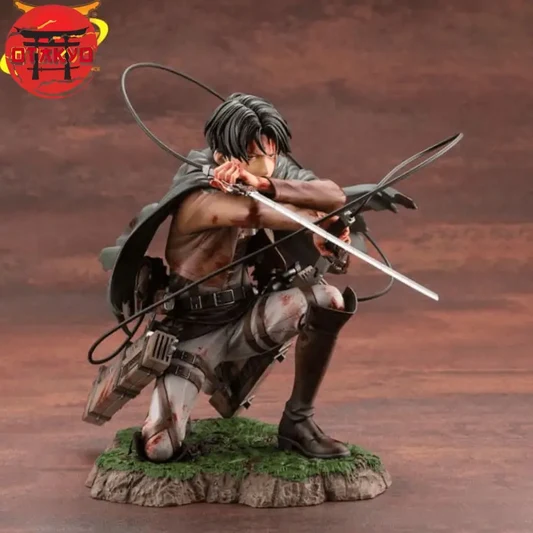
Anime figurines can increase significantly in value over time, particularly when they are rare, discontinued, or associated with highly popular manga franchises. However, not every collectible figure becomes more expensive as it ages. Some retain their original retail price, while others lose value because of declining demand, poor condition, or the release of improved versions. Understanding what separates a valuable collectible from an ordinary decorative figure is essential for anyone interested in building a serious collection.
The anime figure market attracts collectors with different motivations. Some purchase statues of their favorite characters purely for enjoyment, while others carefully select limited releases with potential resale value. A figure originally purchased at a modest price can occasionally become a collector’s treasure, although such outcomes are never guaranteed.
Unlike traditional investments, collectible manga figures depend heavily on cultural trends, licensing decisions, manufacturing quantities, and fan communities. A beloved character might remain popular for decades, but changing tastes can also transform an expensive collectible into an item with limited demand. The relationship between rarity and popularity is particularly important.
Collectors exploring specialized retailers such as https://anime-figures-otakyo.com/ can discover the variety of Japanese anime collectibles available across different franchises and product categories. Comparing manufacturers, editions, materials, and release information helps buyers understand why certain figures command higher prices than others. Learning how this market operates makes collecting more rewarding and reduces the risk of expensive purchasing mistakes.
What makes a manga figurine increase in value?
The resale price of a manga figurine depends primarily on supply and demand. When collectors want a particular figure but few examples remain available, sellers may obtain prices considerably higher than the original retail cost. This situation occurs most frequently with limited edition anime figures, discontinued products, and collectibles featuring characters with enduring popularity.
Rarity alone does not guarantee appreciation. A figure manufactured in extremely small quantities may still struggle to attract buyers if its character, design, or franchise has little appeal. Conversely, a widely produced figure can become surprisingly valuable when demand exceeds the number of examples circulating on the secondary market.
Manufacturer reputation also matters. Established Japanese companies with consistent sculpting, painting, and quality control often attract dedicated collectors. Their premium releases may generate stronger interest than cheaper alternatives, particularly when the original production run has ended.
Several characteristics commonly influence anime figure resale value:
- Limited production quantities
- Official licensing and authenticity
- Character popularity
- Discontinued manufacturing
- Original packaging
- Excellent physical condition
- Manufacturer reputation
Another important factor is timing. A new anime adaptation, anniversary celebration, or major franchise announcement can temporarily increase interest in particular characters. Collectors who already own desirable figures may benefit from this attention, although enthusiasm does not always translate into lasting price increases.
The distinction between a genuinely rare collectible and a figure advertised as exclusive deserves particular attention. Marketing descriptions sometimes emphasize limited availability without providing reliable information about production quantities. Experienced buyers therefore examine release history, manufacturer announcements, and completed sales rather than relying exclusively on promotional language.
Limited editions and discontinued figures attract collectors
Limited edition manga figurines frequently attract attention because buyers know that obtaining them may become difficult once the original release sells out. Manufacturers sometimes produce exclusive color variations, special accessories, alternative character poses, or editions available only through particular events and retailers.
These characteristics can make a collectible more desirable, especially when the figure belongs to a popular franchise. Nevertheless, exclusivity should never be confused with guaranteed future value. Some special editions remain relatively affordable because the number of interested collectors is smaller than expected.
Discontinued figures present a different opportunity. Once a manufacturer stops producing a particular model, the available supply becomes dependent on existing owners and retailers holding unsold stock. If demand remains strong, the market value of discontinued anime figures may gradually increase.
Reissues complicate this process. Manufacturers sometimes release popular figures again, allowing new collectors to purchase products that were previously difficult to obtain. Such announcements can reduce the premium associated with earlier releases, although original editions may retain additional appeal among specialists.
Collectors should pay attention to production details, edition identifiers, packaging differences, and manufacturer records. These elements help distinguish an original release from a later reproduction. When substantial money is involved, accurate identification becomes just as important as the appearance of the figure itself.
Which anime franchises produce desirable collectible figures?
Popular franchises such as Dragon Ball, One Piece, Naruto, and Demon Slayer have established international audiences that support active markets for character merchandise. Their recognizable protagonists, memorable antagonists, and distinctive visual designs create continuing interest among manga enthusiasts.
However, popularity does not automatically make every figure valuable. Major franchises often generate enormous merchandise catalogs, including affordable prize figures, mass-produced models, premium statues, and exclusive collector editions. The differences between these categories can be substantial.
A standard figure of Goku or Luffy may remain readily available for years, while an unusually detailed statue produced in restricted quantities could become difficult to find. Collectors evaluating valuable anime figures must therefore examine specific models rather than assuming that a famous character guarantees appreciation.
Franchises with smaller but dedicated fan communities can also produce desirable collectibles. Certain older manga series receive fewer modern merchandise releases, making well-preserved original figures particularly interesting to enthusiasts seeking nostalgic pieces.
Changing popularity remains a major consideration. Characters attracting intense attention during a successful anime season may experience reduced demand when audiences move toward newer series. Collecting exclusively according to temporary trends can expose buyers to unpredictable resale prices.
Authenticity and condition determine resale potential
Why original packaging and genuine products matter?
Authentic anime figures generally offer stronger resale prospects than counterfeit reproductions because collectors value official licensing, dependable manufacturing standards, and traceable product information. Genuine figures are typically accompanied by recognizable manufacturer markings, appropriate branding, and packaging consistent with their release.
Counterfeit products frequently imitate popular figures, sometimes reproducing their boxes and promotional artwork. Differences may appear in facial details, paint application, sculpting quality, assembly points, or packaging information. Nevertheless, sophisticated counterfeits can be difficult to identify through photographs alone.
Before purchasing expensive collectibles, buyers should compare the product with reliable images of the original release and investigate the seller’s reputation. An unusually low asking price deserves scrutiny, particularly when the figure is supposedly discontinued or exceptionally rare.
The original figure box can also influence resale value. Many collectors prefer products accompanied by their complete packaging, protective inserts, accessories, instruction sheets, and identifiable manufacturing details. A figure without its box might remain attractive for display, but the pool of interested buyers may become smaller.
Packaging condition matters as well. Crushed corners, faded illustrations, missing seals, and moisture damage may reduce desirability. However, different collectors assign different importance to these imperfections. Someone purchasing a figure for display may care considerably less about packaging than a collector seeking a complete, well-preserved example.
How proper storage preserves collectible value?
Maintaining the condition of collectible manga figures is essential when future resale remains a possibility. Direct sunlight can cause paint fading and discoloration, while prolonged exposure to heat may contribute to deformation or deterioration of certain plastic components.
A stable indoor environment is generally preferable to placing valuable collectibles near radiators, windows, or humid storage areas. Display cabinets can reduce dust accumulation, although figures still require occasional maintenance. Soft brushes and suitable cleaning methods help preserve delicate surfaces without scratching painted details.
Collectors should avoid aggressive cleaning chemicals, excessive pressure, and unnecessary disassembly. Small accessories can be fragile, particularly on figures featuring elaborate weapons, hairstyles, clothing decorations, or detachable effects. Even minor damage may affect the amount a buyer is prepared to pay.
Handling procedures are equally important. Figures should be moved carefully, with attention to their weight distribution and vulnerable components. Supporting the base rather than pulling on an extended limb or accessory reduces the likelihood of accidental breakage.
Keeping all removable components together is another sensible practice. Missing display stands, alternative faces, interchangeable hands, or decorative accessories can lower the resale price of anime figurines. Collectors planning to retain their figures for many years may find it useful to store unused accessories inside clearly identified protective containers.
A carefully preserved collection is not guaranteed to appreciate, but good maintenance protects its physical quality and improves its appeal to potential buyers.
How can collectors estimate the future value of a figurine?
Estimating the future worth of a manga figurine requires research rather than speculation. The most useful starting point is examining completed transactions involving the exact same product. Asking prices can be misleading because sellers may advertise figures at amounts that buyers are unwilling to pay.
Actual sales provide a more realistic picture of current anime collectible prices. Comparisons should account for differences in condition, packaging completeness, authenticity, geographic location, and shipping expenses. A sealed figure and a damaged example of the same model should not be treated as equivalent.
Collectors can also research the original retail price and release date. These details help identify whether a figure has genuinely appreciated or whether an apparently high resale price simply reflects its premium original positioning.
Manufacturing announcements deserve attention. A possible reissue, improved version, or newly licensed alternative may affect demand for an existing collectible. Equally, renewed interest in an older manga franchise can create additional demand for merchandise that has been unavailable for several years.
Those interested in investing in manga figurines should consider transaction costs, shipping, potential customs charges, storage requirements, and marketplace fees. A figure that sells for more than its purchase price does not necessarily generate a profit once these expenses are included.
Market liquidity presents another challenge. Unlike commonly traded financial assets, rare collectibles may require considerable time to find a suitable buyer. A high estimated value is therefore less meaningful when there are few completed transactions supporting that estimate.
Building a collection with long-term value in mind
Collecting anime figures becomes more satisfying when financial considerations complement genuine enthusiasm for manga culture. Purchasing only products expected to become expensive can lead to disappointment, particularly when market demand changes unexpectedly.
A sensible approach involves choosing high-quality manga figurines from reputable manufacturers while prioritizing characters and artistic styles that genuinely appeal to the collector. Strong personal interest makes ownership worthwhile even when market prices remain stable.
Setting a realistic budget also helps avoid excessive spending on speculative purchases. Collectors should distinguish between figures purchased for personal enjoyment and those acquired primarily with resale in mind. These objectives may overlap, but they require different expectations.
Maintaining a collection inventory can be useful. Recording purchase prices, release dates, edition information, accessories, and condition provides a clearer overview of individual items. Original receipts and product documentation can also support authenticity checks during a future sale.
Patience is particularly valuable in the Japanese anime figure market. Not every desirable release must be purchased immediately, and paying inflated prices during periods of intense demand may leave little room for appreciation. Comparing alternatives and understanding typical resale ranges supports more informed decisions.
A manga figurine can become considerably more valuable with time, but its potential depends on genuine scarcity, sustained collector demand, authenticity, and preservation. The strongest collections combine careful purchasing decisions with a lasting appreciation for Japanese animation. Whether a figure eventually becomes a sought-after rarity or remains a cherished display piece, its artistic and personal value can make the experience worthwhile.